BGC Warns of Rising Illegal Gambling Stakes Ahead of 2026 World Cup
Written by Wendy Walter · Jun 14, 2026

BGC Warns of Rising Illegal Gambling Stakes Ahead of 2026 World Cup
The Betting and Gaming Council has issued a direct warning that the UK's illegal gambling black market stands ready to capture roughly £200 million in total stakes across the 2026 FIFA World Cup, while licensed operators project more than £1 billion in regulated wagers during the same period. The assessment comes as preparations intensify for the tournament scheduled to begin in June 2026, with industry analysts tracking how enforcement gaps and proposed rule changes could shift activity toward unlicensed platforms.
Details of the BGC Assessment
According to the council's modeling, the black market already poses measurable competition during high-profile events, yet the figures for 2026 mark a notable escalation compared with previous cycles. Researchers at the BGC examined betting patterns from earlier tournaments and applied updated projections that account for current consumer habits, payment methods, and the reach of offshore sites still accessible to UK users. The resulting estimate places illegal stakes at approximately £200 million, a total that would bypass all licensing requirements, tax contributions, and consumer protections enforced by the UK Gambling Commission.
Regulated operators, by contrast, anticipate exceeding £1 billion in compliant turnover once the tournament kicks off, reflecting sustained demand for verified platforms that offer deposit protections and responsible gambling tools. Observers note that this split underscores the dual-track nature of the market, where legal channels continue to grow even as unlicensed alternatives carve out their own share.
Financial Risk Assessments and Projected Shifts
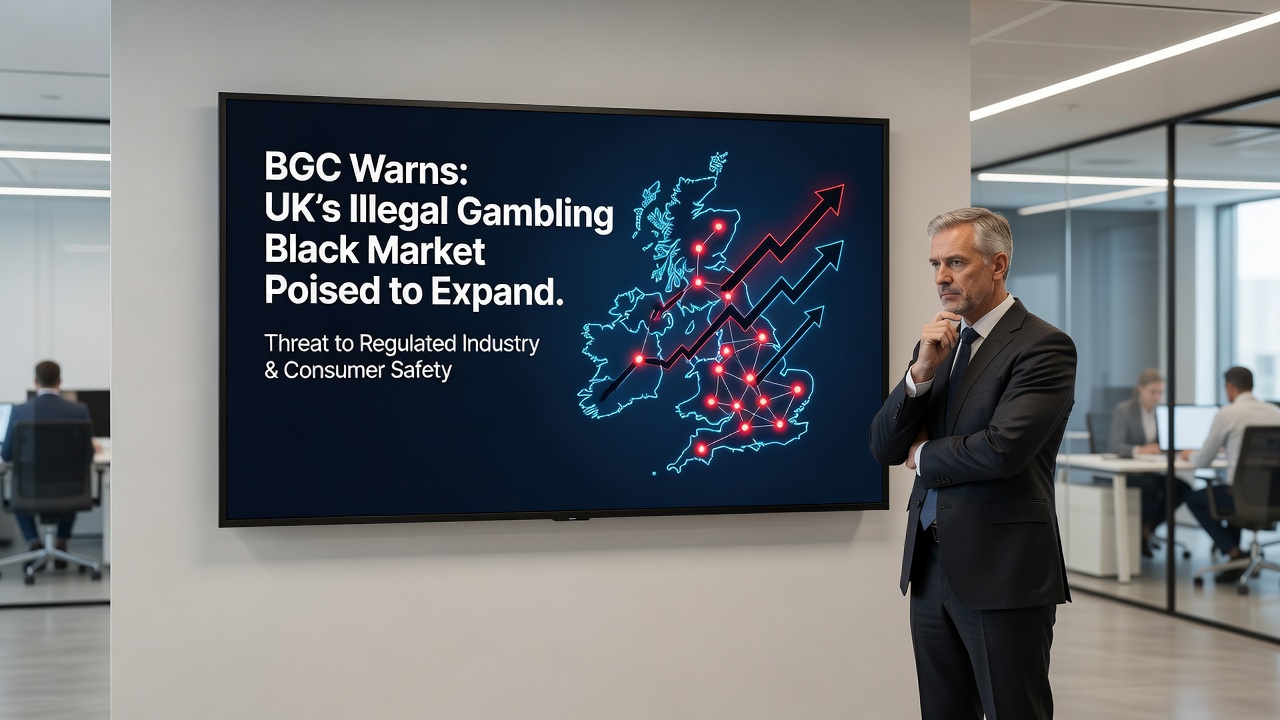
The BGC further modeled the impact of proposed Financial Risk Assessments, which would require operators to conduct additional checks on customer affordability and spending patterns. Under these scenarios, the council calculates that an extra £50 million could migrate to the black market, lifting the total illegal volume to £250 million. The projection assumes that stricter verification processes might prompt some customers to seek out unregulated sites that impose fewer hurdles, a pattern documented in earlier regulatory tightening cycles.
Those who've examined the data point out that the additional £50 million represents roughly a 25 percent uplift over the baseline black market forecast, highlighting how policy design can influence consumer routing. The warning emphasizes that any such increase would occur without oversight, leaving participants exposed to fraud risks and lacking access to dispute resolution mechanisms available through licensed channels.
Threats from Unlicensed Operators
The report draws attention to the expanding footprint of unlicensed operators that continue to target UK customers despite regulatory barriers. These platforms often advertise through social media, affiliate networks, and search optimization tactics that make them appear alongside legal alternatives. Data collected by the BGC shows that such sites frequently accept cryptocurrency deposits and offer rapid payouts, features that appeal to users seeking speed over compliance.
During major events like the World Cup, traffic to these platforms tends to spike because of heightened interest in live betting and in-play markets. The council's analysis indicates that without coordinated enforcement between payment processors, advertisers, and international regulators, the volume of illegal stakes could continue climbing in line with tournament excitement.
Context for June 2026 Tournament Preparations
With the 2026 FIFA World Cup approaching, both industry bodies and enforcement agencies have begun mapping out monitoring strategies to limit black market penetration. The BGC statement serves as an early alert that existing trends, if left unaddressed, will intensify once matches commence across multiple host nations. Figures released alongside the warning show that regulated betting already accounts for the majority of activity, yet the absolute size of the illegal segment remains large enough to warrant sustained attention.
Stakeholders across the sector have noted that consumer education campaigns, combined with technical measures such as payment blocking, form part of the broader response toolkit. The council's modeling suggests that the effectiveness of these tools will help determine whether the £200 million baseline holds or whether the projected £250 million ceiling becomes reality once Financial Risk Assessments are implemented.
Conclusion
The Betting and Gaming Council's assessment provides a clear snapshot of expected market dynamics during the 2026 tournament, separating the regulated sector's projected £1 billion-plus turnover from the illegal segment's £200 million baseline, with a potential rise to £250 million if new affordability checks accelerate customer migration. The figures underscore ongoing challenges posed by unlicensed operators while illustrating how specific regulatory proposals can reshape betting flows in the months leading up to June 2026. Further details appear in the BGC statement.