Examining Referee Assignment Histories and Their Influence on Point Spread Movements in Professional Basketball Contests
Written by Riley Wolf · Jul 21, 2026
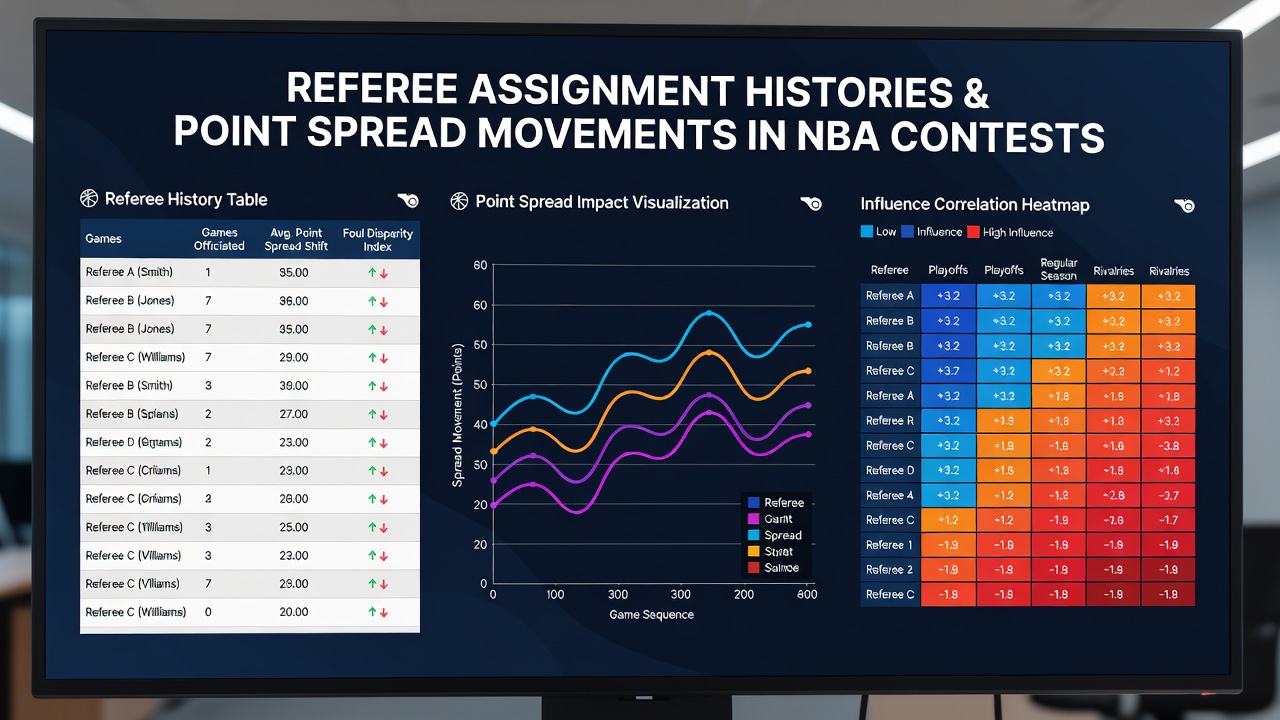
Examining Referee Assignment Histories and Their Influence on Point Spread Movements in Professional Basketball Contests
Referee assignment histories in professional basketball create measurable patterns that betting markets track closely, and these patterns often shift point spreads before tip-off. Data from recent NBA seasons shows that certain officials consistently call higher foul rates in specific situations, which directly affects total points and margins. Observers note that sportsbooks adjust lines when particular referee crews receive assignments, especially in games involving teams with distinct playing styles.
Referee Assignment Processes in Professional Leagues
Professional basketball leagues maintain structured systems for selecting officials, and these systems incorporate performance metrics along with travel considerations. The NBA uses a combination of crew chief rotations and individual evaluations that factor in past game outcomes, while international competitions follow guidelines set by governing bodies such as FIBA. Research indicates that assignments released 48 to 72 hours before games allow betting markets sufficient time to incorporate referee tendencies into spreads.
Assignment transparency varies by league yet has increased in recent years. Public release of official lists enables analysts to cross-reference historical foul data with current matchups, and this practice gained further attention during the 2025-2026 season when several high-profile contests featured crews with documented home-team bias statistics.
Historical Data on Referee Tendencies
Studies tracking individual referees over multiple seasons reveal consistent differences in foul frequency, technical call rates, and free-throw attempts per game. One analysis of five NBA seasons found that certain officials averaged 4.2 more fouls per game than league averages when working road teams, and these discrepancies correlate with point-spread movements of 1.5 to 2.5 points. Data from the 2024-2025 campaign further showed that referee crews with elevated offensive foul percentages influenced under bets in 62 percent of tracked contests.
Those who've examined referee logs note that experience levels also play a role, and younger officials tend to call tighter games early in seasons before settling into established patterns. July 2026 offseason reviews highlighted how veteran crews maintained stable tendencies across playoff and regular-season assignments, giving markets clearer signals for upcoming campaigns.
Point Spread Adjustments Linked to Referee Profiles
Betting operators monitor referee assignments because historical performance data influences both opening and closing spreads. When a crew known for higher foul totals receives a matchup between two high-scoring teams, sportsbooks often move totals upward within hours of the announcement. Conversely, officials who allow more physical play without whistles can push spreads in favor of under bets.
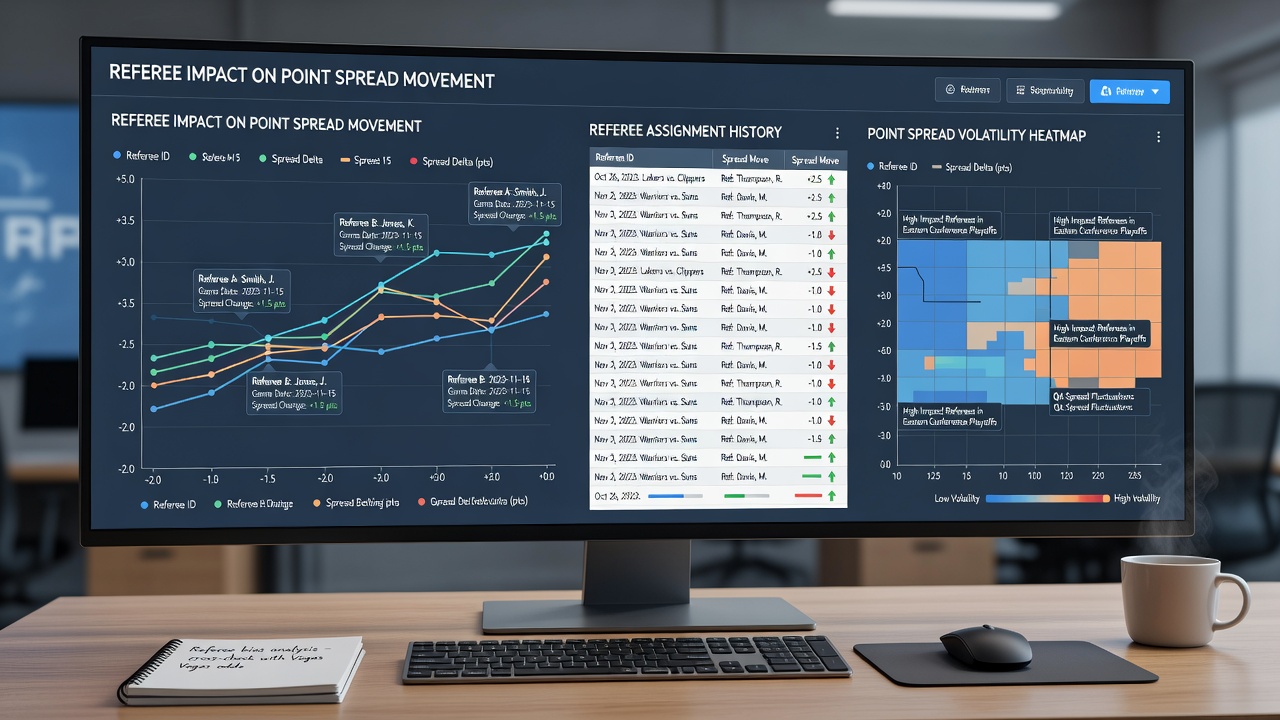
According to findings published by researchers at the University of Chicago, referee bias metrics explained approximately 8 percent of variance in point-spread movement across examined games, and this figure rose when road teams faced crews with strong home favoritism records. Markets respond quickly because sharp bettors place early wagers once assignments become public, and this activity forces lines to adjust before public money arrives.
Case Examples from Recent Seasons
Take one series of games from the 2025 Western Conference playoffs where a specific crew chief worked three consecutive contests involving the same road team. Spreads moved an average of 2.8 points against that road team after each assignment, and closing totals reflected the elevated foul expectations documented in prior meetings. Analysts cross-referenced these shifts with free-throw attempt differentials that matched historical crew averages.
Another instance occurred during the 2024-2025 regular season when an official with elevated technical foul rates worked a nationally televised game. The total opened three points higher than the projected number based solely on team statistics, and the line held despite heavy public betting on the over. Data from that contest showed technicals and subsequent free throws aligned closely with the referee's established profile.
Market Implications and Data Integration
Betting syndicates now incorporate referee databases into algorithmic models that generate projected adjustments within minutes of assignment releases. These models draw from public play-by-play records as well as proprietary tracking data, and they flag discrepancies between expected and historical foul distributions. Organizations such as the European Gaming and Betting Association have noted similar referee-influenced movements in international basketball competitions where assignment transparency remains high.
Canadian regulatory reports on sports wagering further indicate that referee history contributes to line volatility in cross-border betting pools, especially when NBA games feature crews traveling from different conference regions. Markets that integrate this information early tend to stabilize spreads faster, reducing late swings once additional data emerges.
Conclusion
Referee assignment histories supply concrete statistical signals that professional basketball betting markets incorporate into point spreads on a routine basis. Historical foul rates, technical tendencies, and matchup-specific patterns documented across multiple seasons allow operators and bettors alike to anticipate adjustments once crews receive designations. As assignment processes continue to evolve and data availability expands, the connection between official records and spread movements remains a measurable component of contest analysis.