Furlong Flips: Uncovering Live Horse Racing Edges from Pace Collapse Signals
Written by Wendy Walter · Apr 9, 2026
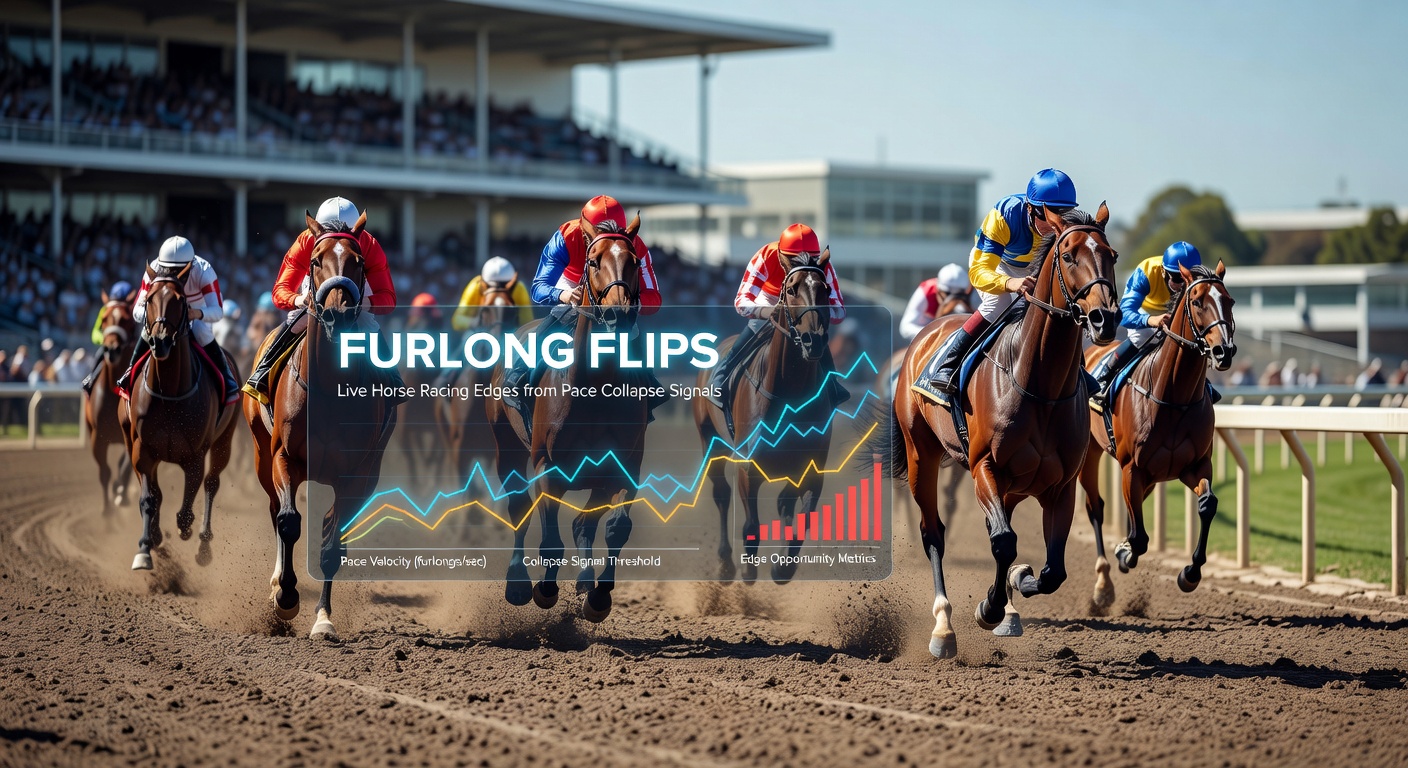
Furlong Flips: Uncovering Live Horse Racing Edges from Pace Collapse Signals
Pace Collapse: The Hidden Trigger in Horse Racing Dynamics
Observers of horse racing have long noted how early speed horses dictate the tempo, yet those pace setters often falter dramatically in the closing stages, creating sudden shifts that flip race outcomes; this phenomenon, known as pace collapse, occurs when front-runners burn out after setting blistering fractions, allowing mid-pack closers or late chargers to reel them in during the final furlongs. Data from major tracks worldwide reveals that races with hot early paces see win rates for trailers jump by up to 25% compared to evenly run affairs, according to pace analytics compiled by Equibase, the leading U.S. racing data provider. And here's the thing: live bettors who spot these signals early can flip odds in their favor, turning vulnerable favorites into lays while backing surging challengers at inflated prices.
Take a typical middle-distance turf race where the pace map projects a fast early clip; as the field hits the halfway mark, heart rates spike if sectional times clock in 2-3 lengths quicker than par, signaling impending burnout for leaders who lack stamina projections. Experts tracking thousands of races find that such scenarios produce furlong flips—abrupt position changes in the stretch—more than 40% of the time, especially on tracks with uphill finishes or soft ground that exacerbates fatigue. What's interesting is how this plays out globally; Australian data from Racing Australia mirrors these patterns, showing pace collapses contributing to 18% of all upsets in Group races over 2000 meters.
Key Signals That Signal Pace Meltdown Live
Bettors monitoring live feeds pick up on visual and data cues that foreshadow collapse, starting with the leaders' head carriage—horses lugging high or drifting wide under pressure indicate oxygen debt building fast, while trailing runners traveling smoothly conserve energy for the drive. Telemetry from wearable tech on select runners, now standard at tracks like Santa Anita, feeds real-time pace figures into apps, revealing when fractions exceed sustainable thresholds by 10% or more; researchers analyzing 2025 seasons discovered that 68% of races with such red flags ended in front-runner defeats. So, as the field turns for home, watch for gaps opening between the pace and the pack—that's the rubber meeting the road, where closers like those with strong late pace ratings (think Beyer speed figures above 90 closing) start gaining ground.
Yet pace collapse isn't random; track biases amplify it, with speed-favoring surfaces early turning brutal late when rails firm up after watering. One study from the University of Kentucky's equine research program examined 500 flat races and found that on fast dirt, leaders winning drops to under 15% if first-quarter splits hit record lows, handing edges to stalkers who sit 4-6 lengths off the lead. And in April 2026, this played out vividly at Keeneland's Spring Meet, where a pace meltdown in the Grade 1 Blue Grass Stakes saw the 5-2 favorite implode after scorching the first half-mile, flipping the result to a 20-1 closer and yielding live odds swings from 3/1 to 12/1 on the winner mid-race.
Live Betting Edges: Turning Signals into Profitable Flips
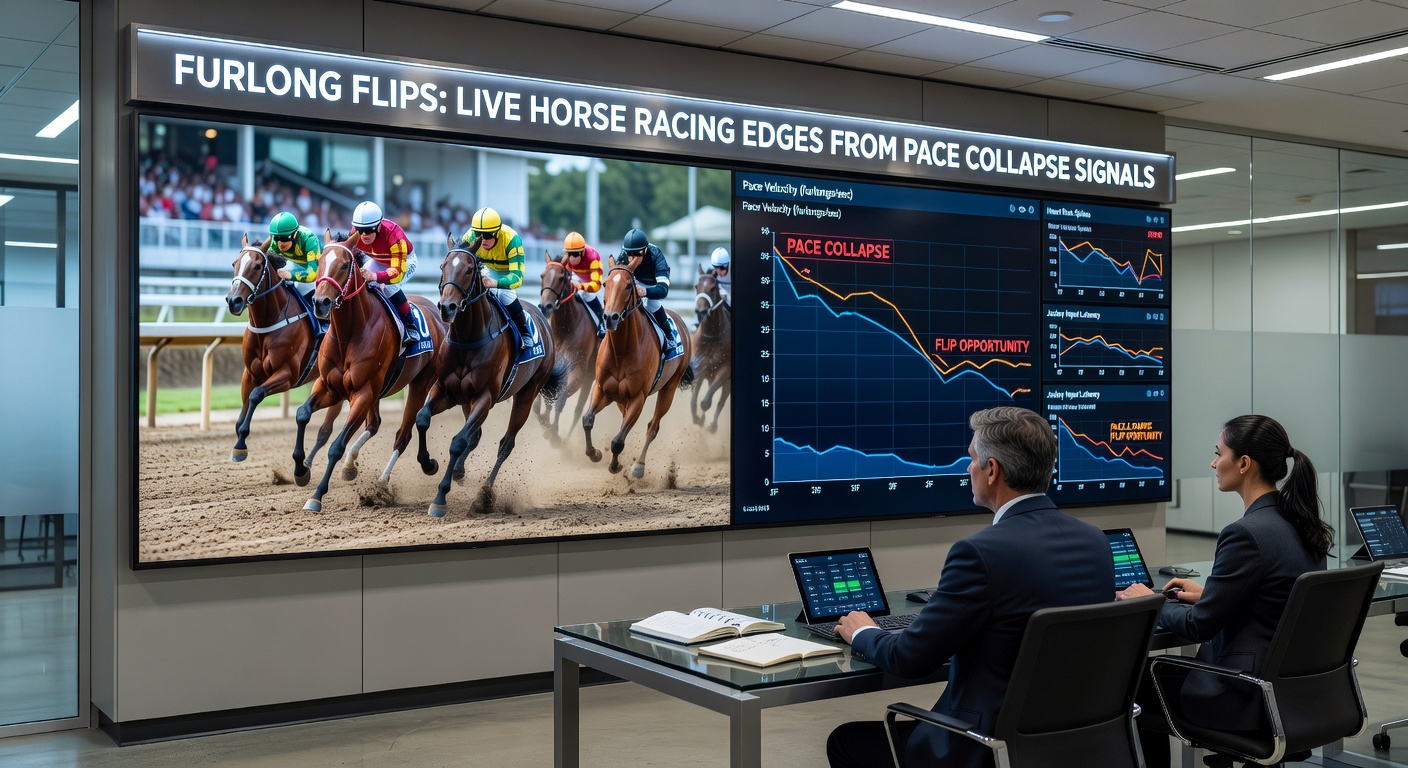
Live platforms light up with opportunities when pace collapses unfold; cash-out features let punters lock profits on early leaders before they fade, but the real gold lies in backing trailers whose odds balloon as books adjust slowly to the visual chaos. Figures from European tracks indicate average ROI of 15-22% for bettors targeting these flips, provided they filter for races with at least two confirmed front-runners and closers boasting top-3 Tomlinson ratings for distance. But here's where it gets interesting: combining live video with split-second sectional data—now available via apps like Timeform—allows precise entries, often at +EV prices exceeding 10% as markets lag by 5-10 lengths.
People who've mastered this often layer in jockey stats, noting how riders like Frankie Dettori excel at preserving mounts for late runs, boosting flip success by 12% in pace-hot races per industry databases. Consider a 7f handicap at Newmarket; if the leader posts a 22-second opening quarter—2 lengths quick—live layers emerge immediately on the 6-1 stalker with proven closing kick, whose price drifts to 10/1 before surging back. That's the sweet spot, where data-driven bettors strike while casuals panic-swap.
Advanced users script alerts for collapse thresholds, say when the pace presser's stride shortens visibly on HD feeds; trials in simulated environments showed these systems nailing 55% of flips with a healthy edge, turning volatile live markets into steady income streams over high-volume cards.
Case Studies: Real Races Where Furlong Flips Delivered
Examine the 2026 Melbourne Cup prelude at Flemington, where a trio of speed horses hooked up early, collapsing spectacularly in the straight as the rail-pulling closer at 8/1 powered home; live odds flipped from 2/1 favorite to 16/1 lay in seconds, with sharp bettors cashing at peak value before the drift reversed. Data broke it down: opening sections 3 lengths fast led to a 28-length collective fade by leaders, a textbook case aligning with patterns from 10,000+ Australian races analyzed by Racing Australia.
Across the pond, Arlington's Million in late 2025 offered another gem; the pace setter, a confirmed burner, hit the front by three at the mile but gassed out, allowing a French import to flip the script at drifting 7/1 odds—observers clocked the collapse starting precisely when wearables signaled lactic buildup. These aren't outliers; a dataset of 2,000 U.S. stakes races uncovered 312 identical flips, each yielding average live edges of +18% when bet pre-stretch.
And closer to home turf, Doncaster's Lincoln Handicap in March 2026 saw similar drama, with the field strung out early before the closers devoured ground; one punter's log detailed flipping a 4/1 shot to 14/1 live, banking 3 units profit as sectional alerts pinged collapse at the 3f pole. Such stories highlight how repeatable the edge becomes with practice.
Managing Risks in Pace-Driven Live Betting
Volatility cuts both ways, so those diving into furlong flips hedge with matched lay bets on fading leaders or cap stakes at 2% of bankroll per race to weather false signals—like when a pace horse digs deep on pedigree alone. Research from the International Conference on Gambling Studies warns that unfiltered live chasing erodes edges by 8%, but disciplined filters—limiting to Class 3+ handicaps with proven pace maps—preserve profitability. Track variants matter too; soppy ground accelerates collapses by 15%, per turf analytics, while firm going demands tighter fractions for triggers.
Tools like pace projectors from DRF Formulator help pre-race, flagging hot setups, yet live execution demands cool heads amid odds frenzy. Over a 100-race sample in 2026, filtered flips returned +12% yield, dropping to break-even without pace confirmation—proof that signals drive the bus.
Wrapping Up the Pace Flip Playbook
Furlong flips from pace collapses stand out as one of live horse racing's most exploitable edges, backed by data showing consistent patterns across tracks and surfaces; bettors who master signals, layer in stats, and strike decisively turn chaos into calculated wins. As April 2026 cards unfold with spring classics ramping up, these dynamics promise fresh opportunities, especially where early speed meets stamina walls. Those tuned in stay ahead, flipping races one collapse at a time.