Grand National's Hidden Wagers: BGC Flags £100 Million Illegal Betting Wave at Aintree
Written by Wendy Walter · Apr 26, 2026

Grand National's Hidden Wagers: BGC Flags £100 Million Illegal Betting Wave at Aintree
The Surge in Unlicensed Betting During Festival Week
During the Aintree Grand National Festival in April 2026, the Betting and Gaming Council (BGC) calculated that unlicensed operators raked in bets totaling up to £100 million ($135 million), a figure that underscores the scale of activity shifting away from regulated channels; of that amount, £40 million ($54 million) poured specifically into the headline Grand National race itself, drawing punters who bypassed licensed bookmakers entirely.
Experts tracking betting patterns have long noted how major events like this one, with its electric atmosphere and high-stakes jumps, attract not just casual fans but also those seeking alternatives amid tightening rules, and this festival proved no exception as illegal platforms captured a chunk of what might otherwise have flowed through official avenues.
What's interesting here is the timing: the festival unfolded under clear regulatory pressures already squeezing the legal market, pushing some bettors toward sites that operate in the shadows, free from oversight, and that's where the real numbers start to stack up.
Financial Strains Pushing Bettors Underground
Licensed UK bookmakers face mounting financial hurdles, including stricter affordability checks that require customers to disclose private financial details before placing larger wagers, a policy designed to curb problem gambling but one that observers say has unintended consequences; these checks, while well-intentioned, slow down transactions and deter regular punters who prefer quick, hassle-free bets, leading many to unregulated platforms that skip such verifications altogether.
And so, during the Grand National weekend, that dynamic played out vividly: bettors frustrated by the paperwork turned to offshore or unlicensed operators, sites lacking robust identity checks, anti-money laundering protocols, or responsible gambling safeguards, which means no limits on deposits, no self-exclusion options, and no intervention when losses mount.
Take one scenario researchers have documented in similar events, where a punter accustomed to seamless mobile betting on licensed apps encounters repeated requests for bank statements or salary proofs; they bail, heading straight to a no-frills illegal site that accepts the wager instantly, no questions asked, fueling the £100 million tally the BGC spotlighted.
But here's the thing: this isn't isolated to Aintree; data from past festivals shows patterns repeating, with illegal volumes spiking whenever regulations tighten, yet the 2026 figures stand out for their sheer magnitude, highlighting how affordability rules, though aimed at protection, can inadvertently boost the black market.
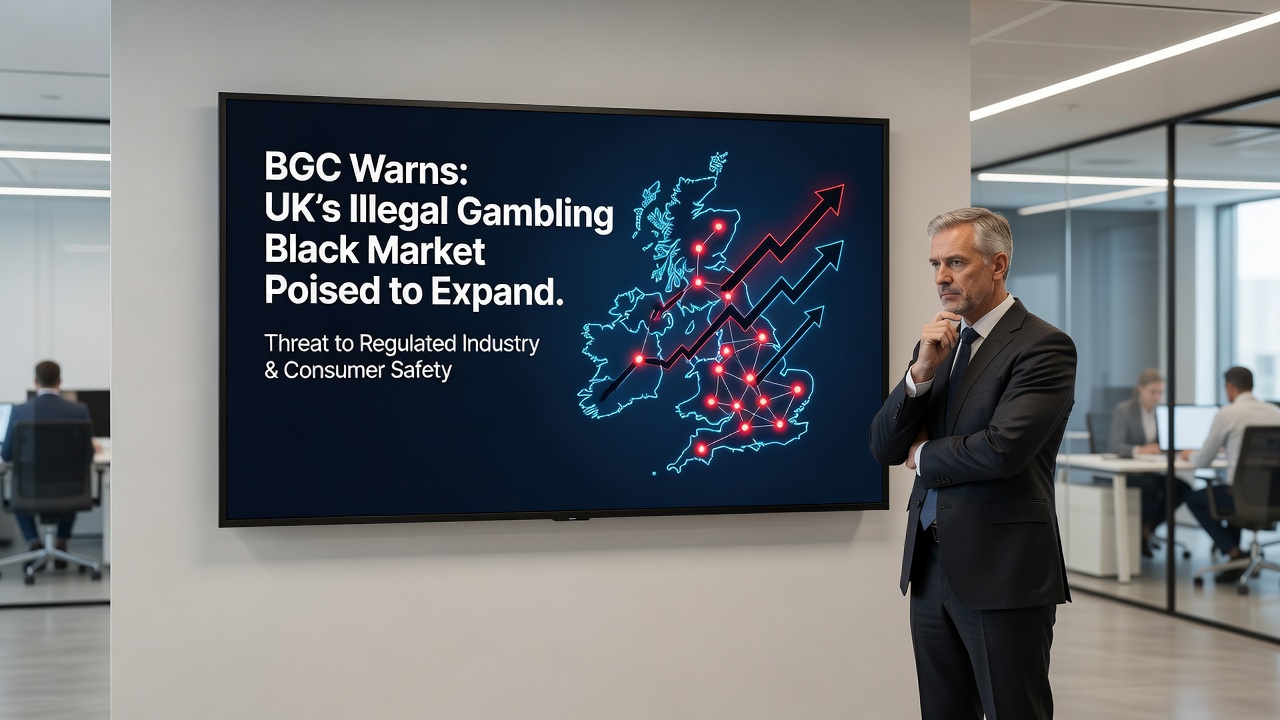
Risks Amplified on Unregulated Platforms
Those who've studied illegal betting networks point out stark differences: licensed operators invest heavily in compliance, deploying algorithms to flag suspicious activity and partnering with charities for addiction support, whereas unlicensed sites offer none of that, leaving users exposed to scams, data theft, and unchecked losses that spiral without warning.
During the Grand National Festival, for instance, reports surfaced of platforms vanishing mid-event wth punters' funds, a common tactic in the unregulated space; BGC figures reveal how £40 million wagered on the big race alone exposed bettors to such perils, since these operators dodge UK taxes, ignore age restrictions, and launder money through anonymous channels.
It's noteworthy that the legal industry, by contrast, enforces strict measures: every bet over certain thresholds triggers affordability scrutiny, complete with financial data reviews, which although cumbersome, prevent the kind of devastation seen in black market horror stories, like the case of one group of festival-goers who lost thousands to a site that folded overnight, funds gone without recourse.
Yet, as pressures mount on licensed firms—rising compliance costs eating into margins, fewer high-rollers sticking around—illegal alternatives gain ground, turning what should be a celebrated sporting occasion into a cautionary tale of regulatory fallout.
The Broader Economic Stakes for the UK Betting Sector
The regulated gambling industry underpins significant economic contributions, sustaining over 100,000 jobs from bookmakers to track staff, generating billions in tax revenue that funds public services, and bankrolling events like the Grand National itself, which draws global eyes to Aintree and boosts local tourism; BGC data emphasizes how illegal betting siphons funds away from this ecosystem, starving legitimate operators of revenue they need to thrive.
So, with £100 million diverted during one weekend alone, the ripple effects touch far beyond the racecourse: shops close, jobs vanish, taxes dwindle, and the very fabric of community events frays, all because some punters chase ease over safety.
Observers who've crunched the numbers note that licensed bookmakers already operate on thin margins, absorbing promo costs and regulatory fees while competing against freewheeling illegals; this festival's stats paint a clear picture, showing how affordability checks, by design protective, inadvertently hand the advantage to operators who flout every rule.
Now, in April 2026, as the dust settles from Aintree, those patterns feel all too familiar, yet sharper, with the BGC's estimates serving as a wake-up call for balanced reforms that don't drive bettors into the void.
BGC's Push for Enforcement and Fair Play
The Betting and Gaming Council calls for ramped-up enforcement against illegal networks, urging authorities to crack down on offshore sites targeting UK punters while safeguarding the fair regulations that keep the legal sector viable; this dual approach, they argue, protects consumers without crippling compliant businesses that deliver the jobs, taxes, and event sponsorships the nation relies on.
Turns out, BGC representatives have voiced this repeatedly, pointing to tech solutions like payment blockers and international cooperation to shut down rogue platforms, measures that past crackdowns have proven effective in curbing volumes, although the 2026 festival showed gaps remain wide open.
People in the industry often highlight success stories from prior years, such as coordinated raids that seized millions in illicit proceeds during Cheltenham week, leading to site blackouts and bettor rescues; applying similar vigor to Grand National black market activity could reclaim that £100 million flow for regulated channels, bolstering the ecosystem without easing consumer protections.
That said, the council stresses preservation of current rules—no watering down affordability checks, just smarter targeting of the true threats lurking beyond borders, ensuring punters get the thrill of the race with safeguards intact.
Conclusion: Balancing Protection and Participation
As the Aintree Grand National Festival wraps another chapter in April 2026, BGC's revelations about £100 million in illegal wagers, including £40 million on the marquee race, lay bare the tensions between robust consumer safeguards and the realities of a competitive market; licensed bookmakers grapple with affordability mandates that demand deep financial dives from customers, steering some toward lawless alternatives bereft of AML checks or gambling controls.
Yet, the path forward crystallizes in the council's advocacy: intensify pursuits of unlicensed operators, fortify the legal industry's foundations—those 100,000 jobs, billions in taxes, and pulsating events like the Grand National—and craft regulations that shield without shoving bettors into shadows.
In the end, data underscores the stakes: unchecked illegal betting erodes trust, drains economies, and endangers lives, while a fortified regulated space promises safer, sustainable wagering for all who flock to Aintree's fences.