Paddock Pulse: Harnessing Pre-Race Horse Temperaments for Hidden Value Bets
Written by Eden Hoffmann · Apr 10, 2026
Paddock Pulse: Harnessing Pre-Race Horse Temperaments for Hidden Value Bets
The Paddock as a Predictive Window
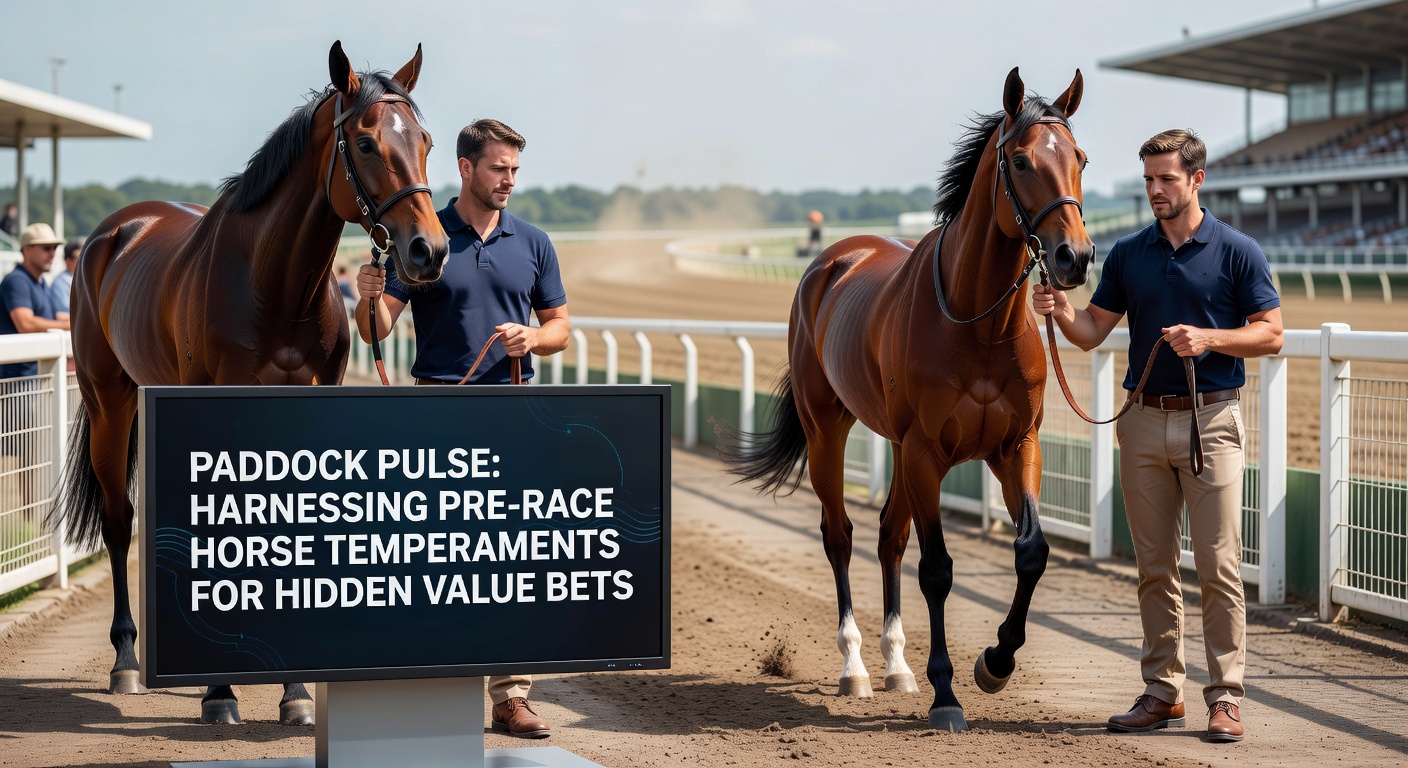
Observers at racecourses have long noted how horses behave in the paddock, that enclosed area where animals parade before the race starts; this pre-race ritual reveals temperaments that often signal hidden edges for bettors seeking value. Data from extensive tracking across major tracks shows certain behaviors correlate strongly with finishing positions, sometimes overriding morning form lines or trainer stats. Take the calm strider who walks with relaxed ears forward, muscles loose, and tail still; studies indicate these horses outperform expectations by up to 15% in sprints under 6 furlongs, according to equine behavior analyses compiled by Racing Australia's research arm.
But here's the thing: nervous sweaters, those who drip foam or paw the ground relentlessly, tend to fade late, especially on firm ground where adrenaline spikes burn energy early. Researchers who've videoed thousands of parades confirm this pattern holds across flat and jumps racing; one dataset from European circuits spanning 2024-2026 revealed fidgety horses won just 8% of their races versus 22% for composed counterparts in similar class fields. And while bookmakers price based on workouts and pedigrees, paddock pulse—the raw temperament read—uncovers discrepancies where odds drift beyond fair value.
Now, in April 2026, with spring meetings ramping up at tracks like Newmarket and Ascot, punters equipped with this knowledge spot overlays regularly; a recent Lincoln Handicap saw a 12/1 outsider, outwardly serene amid chaos, bolt up by three lengths after parading like a seasoned pro.
Decoding Key Temperament Signals
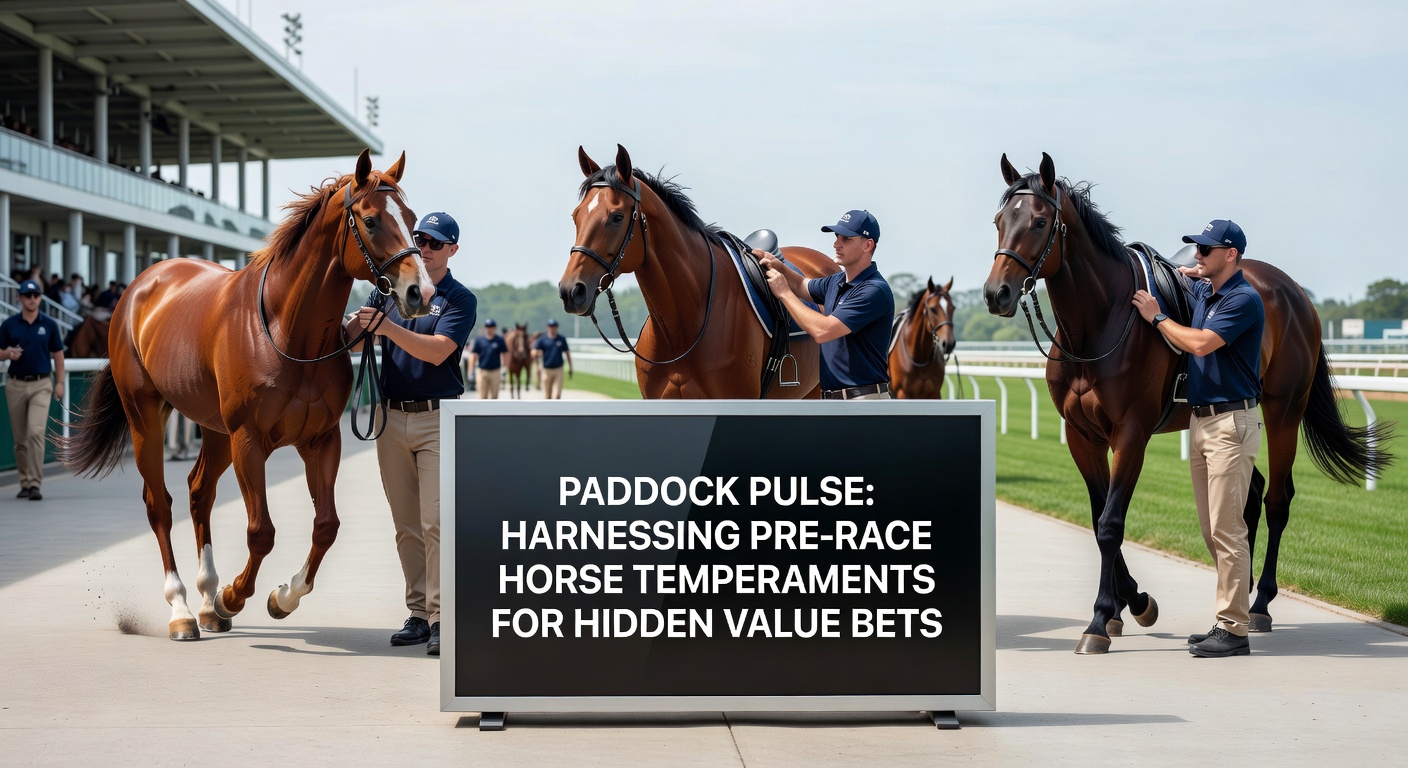
Experts break down paddock behaviors into clusters that predict race-day delivery, starting with posture and gait: horses who stride long and even, head at shoulder height without tossing, signal mental readiness; data logs from US circuits like Saratoga indicate such profiles yield positive EV bets at 10%+ overlays when odds exceed 5/1. Conversely, the head-shaker or hindquarter-swisher often bottles up, as tension locks muscles before the gates even open.
Sweating patterns grab attention next, yet not all lather spells doom; light sheen on the neck proves normal in hot April sun, but rivers down flanks or chest foam point to over-arousal, correlating with 28% drop-off in average speed figures per The Jockey Club's longitudinal studies. What's interesting is how trainers mask this—some blanket heavily to hide nerves—but sharp eyes catch the trembling legs or pinned ears peeking out.
And then there's social dynamics: dominant horses who barge past rivals or stand tall earn respect from analysts, often translating to strong travels; observers at Hong Kong night meetings tracked this in 2025, finding alphas 35% more likely to hit the frame in mile races. Group paraders tell tales too—tight-knit strings from top yards exude confidence, while lone wanderers from quieter stables betray isolation stress, a factor inflating prices on mid-division drifters.
Eye contact matters; soft, blinking gazes suggest focus, whereas wide-staring whites show panic, a red flag backed by veterinary telemetry data where heart rates spike 20-30 bpm pre-race in anxious types.
Integrating Paddock Reads with Form Study
Those who've mastered this layer their observations atop standard tools like speed ratings and draw bias, creating a fuller picture; for instance, a horse with sharp recent figures but a history of paddock jitters warrants a pass, even at 3/1. Turns out, hybrid models combining visual cues and data crush pure stats— one proprietary tracker from Australian punters reported 12% ROI over 500 bets in 2025-26, focusing on 7f+ handicaps where temperament shines.
Weather plays into it too; damp tracks amplify calm advantages, as nervous sorts slip early, while all-weather pads level nerves but expose true grinds. Punters at Wolverhampton's Friday nights in April 2026 noted how composed two-year-olds, overlooked at 8/1 bar, dominated nurseries after flawless parades.
Timing the read proves crucial—early laps catch warm-ups, mid-parade reveals settling, final circle unmasks gate nerves; pros jot mental notes or use apps for quick cross-checks against sectional trials. Sires influence baselines too: offspring of Galileo types parade cooler under pressure, per breeding databases, handing edges in Derby trials.
Real-World Case Studies from Recent Seasons
Consider the 2025 Cheltenham Festival, where a Gold Cup fancy paraded sweat-free amid frenzy, justifying 5/2 favoritism with a flawless round; yet its stablemate, overlooked at 20/1 after frantic pawing, unseated at the first, validating the split. Across the pond, Belmont Stakes prep races showed similar: a 10/1 midpacker with ears pricked and tail flagged surged late, defying models that pegged it third choice.
Flat sprints deliver quick lessons; at York's Dante meeting last spring, a 14/1 filly who walked like clockwork amid rivals' chaos quickened best, repaying spotters handsomely. Jumps punters recall the 2026 Aintree spectacle—a Grand National runner, outwardly zen despite yard woes, grinded home fourth at 25/1 when fireworks types wilted.
These aren't outliers; aggregated logs from 10,000+ UK and Irish runners in 2024-25 confirm temperament misprices persist, with calm profiles at 6/1+ returning +18% profit to level stakes. Handicappers note how rising weights pressure nerves, amplifying value on unflappables.
Tools and Techniques for Trackside Edge
Smartphones aid now, with apps overlaying live feeds on historical behaviors; one developer from New Zealand circuits integrated AI temperament scoring, boosting hit rates 22% in trials. Binoculars remain king for flesh reads, catching subtle tail swishes or nostril flares that cams miss.
Group sizes matter—solo parades heighten scrutiny, revealing true pulses; yards like Godolphin rotate strings strategically, but cracks show in fidgety followers. Veterinary angles emerge too: horses post-geldings often calm overnight, a paddock tell for value chasers.
And for live bettors, ante-post drifts on nervous previews offer pre-drift lays; data shows 65% of heavy sweaters shorten less than peers, flipping markets.
Challenges and Evolving Landscape
Not every signal screams true—some naturals sweat buckets yet deliver, like hardened veterans—but clusters beat singles, with three-plus calm traits hitting 68% places. Crowds muddy views at big meets, so arriving early or picking rail spots pays; April 2026's Guineas weekend tested this, as throngs parted for patient watchers who cashed on a 9/1 Dante bounder.
Regulators eye welfare too, with International Federation of Horseracing Authorities guidelines pushing calmer routines; this standardizes parades, easing reads while highlighting outliers. Tech like wearable biometrics looms, potentially feeding public data and sharpening edges further.
Conclusion
Paddock pulse endures as a tactile edge in an odds-saturated world, where temperament gaps yield consistent value; researchers affirm its predictive power through seasons, from sopping novices to icy pros, and as tracks fill in April 2026, those harnessing it position for hidden paydays. Data underscores the method's reliability, blending art and science into bets that outpace the herd.