Real-Time Data Synchronization in Custom Dashboards for Stake Adjustments in Tennis, Basketball, and Racing
Written by Wendy Walter · Jul 24, 2026
Real-Time Data Synchronization in Custom Dashboards for Stake Adjustments in Tennis, Basketball, and Racing
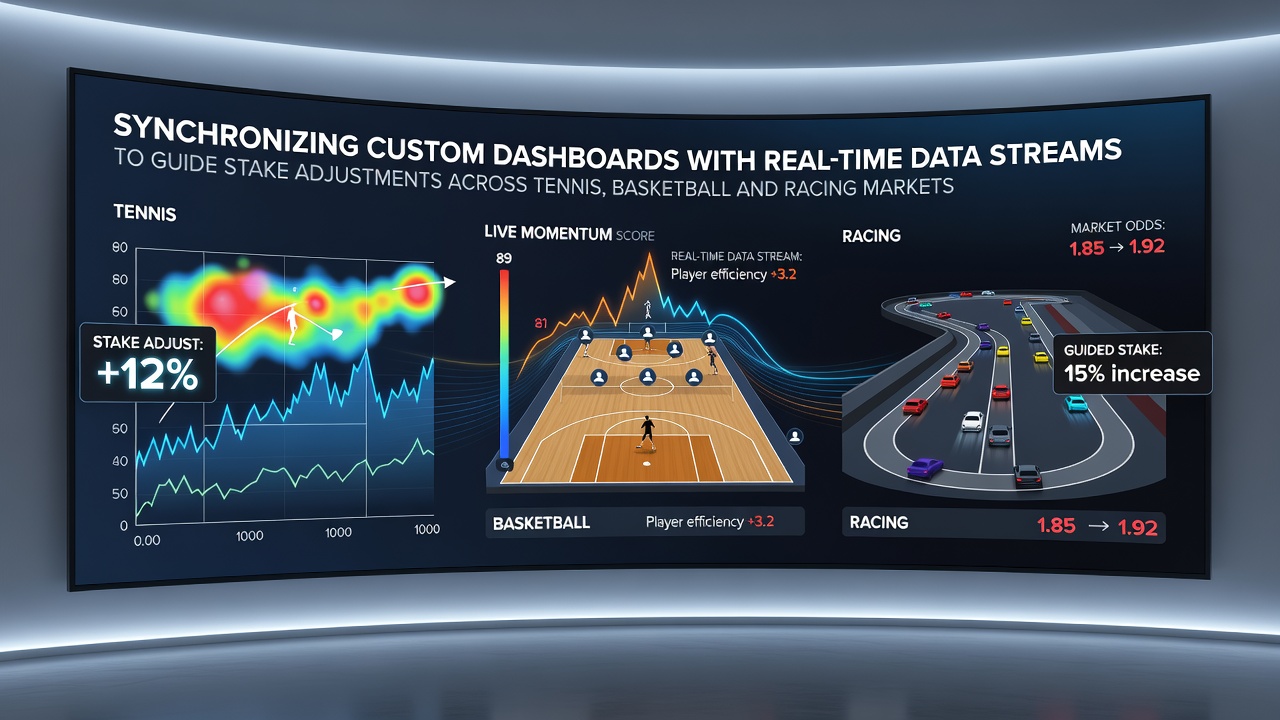
Custom dashboards connected to live data streams allow operators and analysts to monitor multiple variables across tennis, basketball, and racing markets simultaneously. These systems pull information from official scoring feeds, player tracking sensors, and weather monitoring services, then display updates in unified interfaces that support immediate stake recalculations. Data providers deliver millisecond-level inputs on point outcomes in tennis, possession changes in basketball, and sectional timings in racing, while the dashboards translate those inputs into visual alerts and automated calculation tools.
Core Components of Synchronization Systems
Integration begins with API connections that establish continuous feeds between external data sources and the dashboard platform. Once linked, the system processes incoming packets through middleware that normalizes formats from different sports into consistent data structures. This normalization step enables comparative views across markets, so an analyst can track a tennis match point progression alongside basketball quarter statistics without switching between separate applications. Synchronization protocols such as WebSocket connections maintain open channels that push updates rather than requiring periodic polling, reducing latency between event occurrence and dashboard reflection.
Application in Tennis Markets
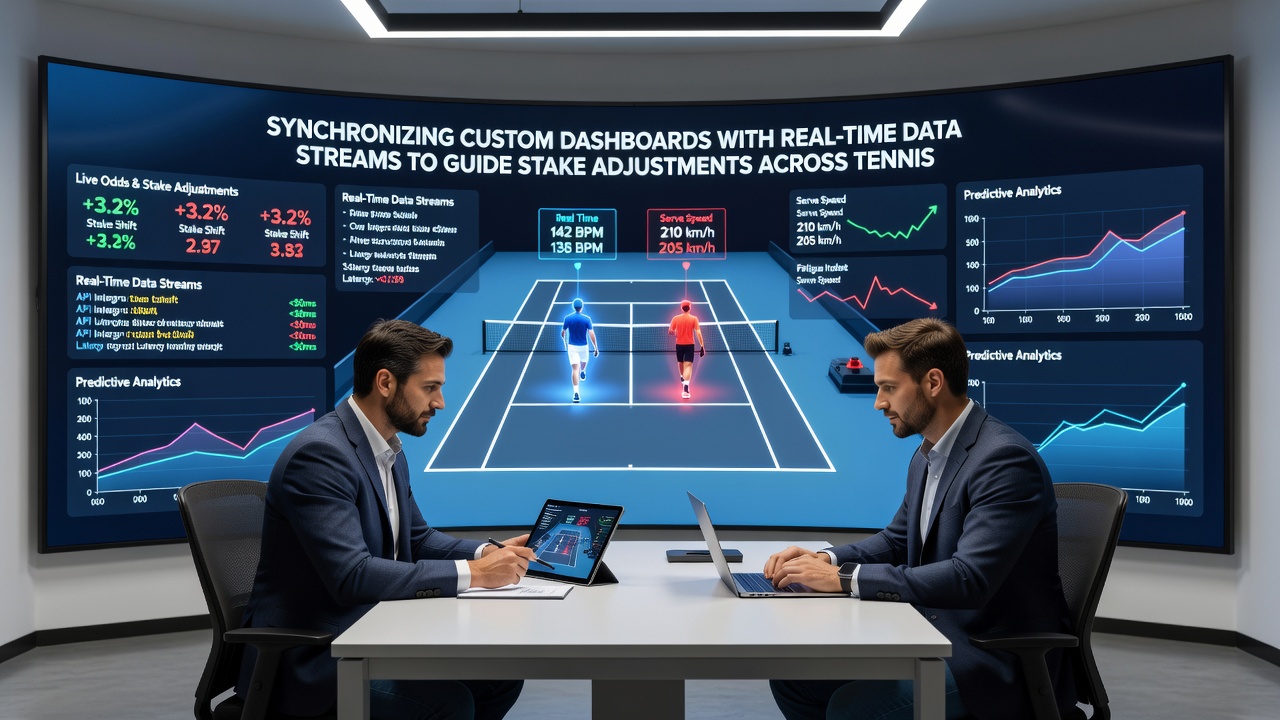
In tennis, real-time streams capture serve speeds, rally lengths, and break-point conversions. Dashboards configured for this sport overlay those metrics against historical player profiles stored in the same interface. When a server’s first-serve percentage drops below a pre-set threshold during a set, the system flags the change and recalculates implied probabilities for remaining games. Observers note that such adjustments often occur within two seconds of the point ending, allowing stake modifications before the next service game begins. Multiple Grand Slam events in July 2026 demonstrated these capabilities when dashboards adjusted exposure on underdog sets after early breaks of serve became statistically significant.
Application in Basketball Markets
Basketball dashboards synchronize player tracking data that includes speed, acceleration, and shot location coordinates. These inputs combine with box-score updates to generate live efficiency ratings for individual lineups. When a starting five shows declining defensive rebound rates over consecutive possessions, the dashboard highlights the trend and suggests stake reductions on totals markets. League-wide data from the 2025-2026 season indicated that such monitoring captured rotation effects within the first three minutes of each quarter, giving users time to respond before odds adjusted across multiple books. The interface also layers in timeout and foul accumulation counters that influence live spread calculations.
Application in Racing Markets
Racing platforms connect to timing systems at each furlong marker plus environmental sensors measuring track moisture and wind direction. The dashboard merges these readings with historical performance data segmented by similar conditions. When sectional times deviate from expected ranges for a particular horse, the system recalibrates place and win probabilities before the field reaches the final turn. July 2026 meetings at major all-weather tracks recorded instances where dashboard alerts preceded official odds movements by several seconds, particularly after early pace changes altered the projected finishing order. Analysts configure filters that isolate distance-specific variables, allowing focused adjustments on sprint versus staying races within the same program.
Technical Considerations and Data Integrity
Latency management remains central because even brief delays can render stake suggestions obsolete. Systems employ edge computing nodes positioned near primary data centers to compress and route streams before they reach the central dashboard server. Redundancy protocols run parallel feeds from at least two independent providers, automatically switching sources if one experiences packet loss. According to documentation from the International Betting Integrity Association, such dual-source architectures have reduced downtime incidents across monitored platforms. Encryption standards protect both incoming streams and outgoing stake instructions, while audit logs record every adjustment triggered by the synchronization layer.
Regulatory and Reporting Aspects
Jurisdictions outside the UK require operators to maintain records of automated stake changes that respond to live data. Reports filed with bodies such as the National Council on Problem Gambling in the United States include summaries of algorithm parameters used for real-time recalculations. These filings demonstrate that dashboards log the exact data point that prompted each modification, creating traceable chains from raw feed to final stake position. Compliance teams review these logs monthly to verify that synchronization rules align with responsible gambling limits set by each licensing authority.
Conclusion
Synchronization of custom dashboards with real-time streams provides structured access to live metrics across tennis, basketball, and racing. The approach relies on standardized data ingestion, low-latency protocols, and sport-specific calculation rules that update stake guidance as events unfold. Continued refinement of these systems through 2026 has centered on improving cross-market visibility and maintaining data integrity under increasing volume.